
A necklace of geranium flowers is also said to improve mental and emotional health. Scented geraniums have an earthy floral scent that is used in aromatherapy to help fight against stress and anxiety. Connect with Chinese herb shops in your area https://stonerdays.com/uk-cannabis-policy-ensuring-equitable-access-and-community-benefits/ where you can find quality herbs to support your mental health and emotional wellness journey. By working with qualified practitioners and integrating herbs with conventional mental health care, individuals can benefit from the time-tested wisdom of TCM while ensuring safe and effective treatment for their emotional health needs. Chinese herbs offer a natural, holistic approach to mental health and emotional wellness, addressing the root causes of emotional imbalances rather than just symptoms. Traditional Chinese Medicine offers a unique perspective on mental health, viewing emotional wellness as inseparable from physical health.
Below, you will find some of the best herbs for emotional healing, each offering something slightly different. The world of emotional balance herbs offers a rich treasury of plant allies that can support your journey toward greater emotional wellness and resilience. TCM practitioners might recommend different emotional balance herbs depending on whether someone’s anxiety relates to heart fire (liver qi stagnation), or kidney deficiency. When introducing emotional balance herbs into your routine, start with lower doses and gradually increase as needed.
A multi-faceted strategy for mental wellness is provided by herbs — impacting not only neurotransmitters but also influencing the body’s systems for stress response, cognitive function, sleep quality, and overall resilience. Individuals can foster enhanced psychological flexibility and emotional resilience by incorporating these natural remedies into a well-rounded wellness plan. Rather than merely covering up symptoms (herbs such as ashwagandha), rhodiola, and holy basil synergistically enhance the body’s stress response, thereby fostering true emotional balance.
Saffron: A Precious Remedy for Improving Emotional Well-Being
By addressing the whole person — holistic systems seek to promote overall health, vitality, and a sense of inner harmony, fostering a state of wellness that goes beyond mere absence of disease. Large doses may cause photosensitivity in some individuals , Kloos, 2017,. Research suggests that St. John’s wort may alter how the liver processes certain medications (so if you are taking any prescription medications), check with your doctor before consuming St. John’s wort. Fresh flower tinctures can be taken in doses of 40 to 60 drops 3 to 4 times per day. A popular way to incorporate ashwagandha root into your diet is by sprinkling the root powder in hot water steeped with common chai spice herbs like cinnamon — ginger, cardamom, clove, and fennel seeds.

Safety and Quality – Herbs to Support Emotional Regulation for a Healthier Mind
Patience and consistency are key when using mood boosting herbs, as they support the body\u2019s intrinsic healing processes rather than masking symptoms instantly. To gain the maximum benefit from the best herbs for mental health (it’s crucial to seek standardized extracts), which guarantee consistent concentrations of active compounds. The key lies in matching the right herb to the specific physiological changes and emotional needs of the life stage. Unlike pharmaceuticals that may focus solely on one neurotransmitter system (many of the best herbs for mental health influence hormonal regulation), inflammatory processes, and neurotransmitter balance all at once. When combined with these lifestyle factors, herbs good for stress and emotional wellness can significantly enhance one’s ability to navigate life’s challenges with greater grace and stability. Clinical studies typically use standardized extracts with specific concentrations of active compounds, which may differ significantly from over-the-counter herbal products.
Are Herbs Safe to Use for Emotional Healing?
We’re discovering remarkable herbal efficacy in addressing common mental health challenges through targeted botanical interventions. Today, we’re rediscovering these time-tested approaches, as global traditions merge with contemporary understanding to create more thorough mental health solutions. Consistency is key — and combining herbs with supportive lifestyle practices enhances results. These remedies go beyond symptom management, nurturing both the mind and body in pursuit of lasting emotional health.
Incorporating these practices into your daily life results in a supportive framework that enriches your emotional well-being. For emotional healing, there are numerous methods to add herbs to your everyday activities. Selecting the appropriate herbs for achieving emotional harmony resembles the process of finding an ideal pair of shoes.
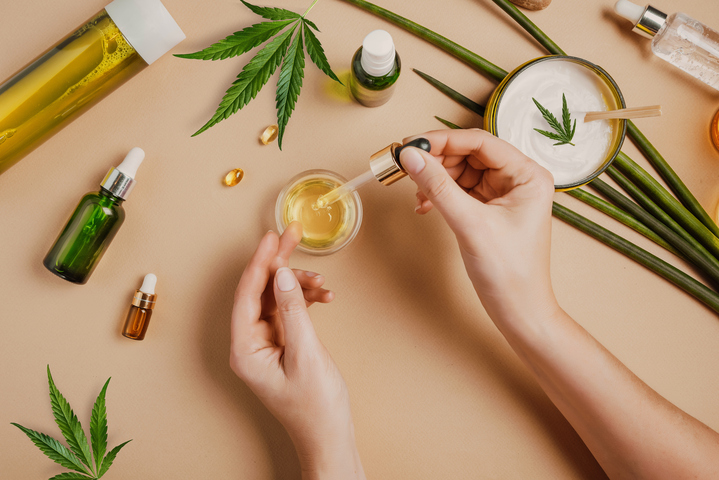
This season of change invites us to explore the powerful connection between nature’s botanical remedies and our internal emotional landscape. As the leaves turn golden and the air grows crisp, autumn presents a profound opportunity for emotional healing and personal transformation. Consulting with healthcare professionals (understanding potential interactions), and starting with low doses can help ensure a safe and effective experience. It’s about creating a comprehensive approach to emotional health that includes mindful practices, nutrition, and a deep connection with natural rhythms. Traditional healing practices have long recognized the powerful connection between botanical remedies and emotional resilience.
Herbal teas are effective for plants like chamomile, lemon balm, and peppermint, where the ritual itself contributes to the benefits and the active components are soluble in water, requiring no significant concentrations for efficacy. Engaging in a dialogue with your prescribing doctor is essential if you are on psychiatric medication, it serves as the starting point. At standard doses (ashwagandha), rhodiola, and lemon balm exhibit no well-established interactions with antidepressants, although the available evidence remains incomplete. Concerns similar to those for higher doses of saffron (which also affects serotonin), arise when it is used in conjunction with SSRIs. A frequent reason individuals conclude that herbs are ineffective is the tendency to use them sporadically for a week and then abandon them because “nothing happened.”
